


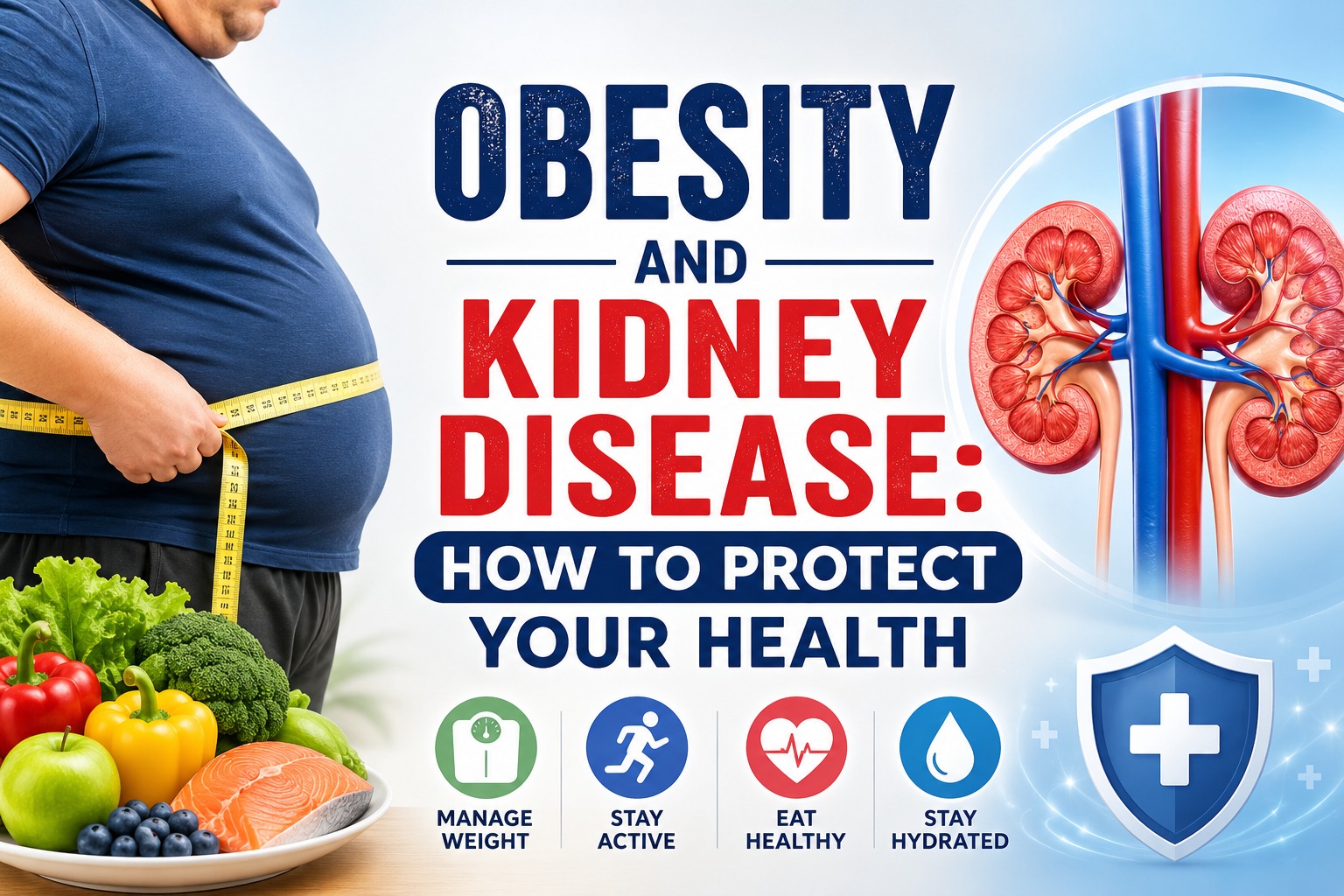
Obesity and Kidney Disease: How To Protect Your Health
Obesity is no longer just a cosmetic concern. It has become one of the leading health problems affecting millions of people worldwide. While most people connect excess weight with diabetes or heart disease, very few realize that obesity can seriously damage the kidneys as well.
Your kidneys work continuously to remove toxins, balance fluids, regulate blood pressure, and maintain overall body health. When body weight increases beyond healthy limits, the kidneys are forced to work harder than normal. Over time, this extra pressure may lead to chronic kidney disease and even kidney failure in severe cases.
At CKD Delhi, Dr. Shiv Chadha regularly treats patients suffering from obesity related kidney problems, hypertension related kidney damage, and diabetic kidney disease. Early awareness and timely lifestyle changes can significantly reduce the risk of long term kidney complications.
Understanding the Link Between Obesity and Kidney Disease
Obesity affects the body in multiple ways. Excess fat tissue changes hormone levels, increases inflammation, and affects blood circulation. These changes directly impact kidney function. People who are overweight are more likely to develop:
High Blood Pressure
Obesity strongly raises blood pressure, directly straining kidney blood vessels over time
Type 2 Diabetes
Excess weight causes insulin resistance leading to high blood sugar that damages kidneys
High Cholesterol
Elevated cholesterol levels contribute to blood vessel damage affecting kidney filtration
Metabolic Syndrome
Combination of high BP, sugar, and cholesterol significantly increases kidney disease risk
When body weight increases, the kidneys need to filter more blood to meet the body's demands. This process is called hyperfiltration. Initially, the kidneys may continue functioning normally, but continuous overload gradually damages the filtering units known as nephrons. As kidney damage progresses, waste products begin to build up in the body, leading to serious health complications.
How Obesity Damages the Kidneys
Obesity impacts kidney health in several interconnected ways that worsen over time:
🩺 Increased Blood Pressure
- Obesity is strongly linked with hypertension. High blood pressure damages blood vessels inside the kidneys, reducing their ability to filter waste effectively.
💉 Higher Risk of Diabetes
- Obesity is one of the biggest causes of insulin resistance and type 2 diabetes. High blood sugar levels damage tiny blood vessels in the kidneys, leading to diabetic kidney disease.
🔬 Chronic Inflammation
- Excess body fat increases inflammatory chemicals in the body. Persistent inflammation contributes to kidney tissue damage over time.
🪨 Increased Risk of Kidney Stones
- People with obesity are more likely to develop kidney stones because of changes in urine composition and metabolism.
Obesity can also cause protein leakage in urine, known as proteinuria. This is often an early warning sign of kidney damage that should not be ignored.
Common Symptoms of Kidney Disease in Obese Individuals
Kidney disease often develops silently in the early stages. Many patients do not experience symptoms until significant kidney damage has already occurred. Some warning signs include:
- Swelling in feet and ankles
- Fatigue and weakness
- Frequent urination
- Foamy urine
- Loss of appetite
- Shortness of breath
- High blood pressure
- Difficulty concentrating
If you notice these symptoms, consulting a nephrologist is important for proper evaluation.
Who Is at Higher Risk?
You may have a higher risk of obesity related kidney disease if you:
- Have a body mass index above normal range
- Suffer from diabetes or hypertension
- Have a family history of kidney disease
- Follow a sedentary lifestyle
- Consume excessive processed food and salt
- Smoke or consume alcohol regularly
Early kidney screening becomes extremely important for individuals with these risk factors.
How To Protect Your Kidney Health
The good news is that obesity related kidney damage can often be prevented or slowed with healthy lifestyle changes.
If you're searching for a CKD specialist in Delhi, expert guidance can make a significant difference in slowing disease progression and protecting kidney function long term.
Get Regular Kidney Checkups
Routine health checkups help detect kidney disease at an early stage when treatment is more effective. Important tests include:
Can Weight Loss Improve Kidney Function?
Yes, in many cases weight loss can help improve kidney health. Studies suggest that healthy weight reduction may:
- Lower blood pressure
- Improve diabetes control
- Reduce protein leakage in urine
- Slow progression of chronic kidney disease
Sustainable lifestyle changes are always preferred over crash diets or unverified supplements.
Role of a Specialist in Kidney Care
Every patient's kidney condition is unique and requires expert evaluation. That's why personalized medical guidance is essential. Dr Shiv Chadha provides expert consultation for patients in Delhi, ensuring:
- Customized treatment plans tailored to your condition
- Regular monitoring of kidney function and health markers
- Long-term kidney health strategies for sustained recovery
When Should You Consult a Kidney Specialist?
You should consult a nephrologist if you experience any of the following.
- Obesity with diabetes or hypertension: High combined risk of kidney damage
- Swelling or urinary changes: Foamy urine, reduced output, or leg swelling
- Abnormal kidney tests: Elevated creatinine or protein in urine reports
- Persistent fatigue: Unexplained tiredness or weakness
- Family history: Known kidney disease in close relatives
FAQs
❓ Can obesity cause kidney disease?
- Yes, obesity can increase the risk of kidney disease by causing high blood pressure, diabetes, inflammation, and excess strain on the kidneys. Over time, this may lead to chronic kidney disease and reduced kidney function.
❓ What are the early signs of kidney disease in obese people?
- Common early signs include swelling in the legs, foamy urine, fatigue, high blood pressure, frequent urination, and unexplained weakness. Many people may not notice symptoms in the early stages.
❓ Can weight loss improve kidney health?
- Yes, healthy weight loss can help reduce blood pressure, control diabetes, decrease protein leakage in urine, and slow the progression of chronic kidney disease.
❓ How can I protect my kidneys if I am overweight?
- Maintaining a healthy diet, exercising regularly, staying hydrated, controlling blood sugar and blood pressure, and getting regular kidney checkups can help protect kidney health.
Final Thoughts
The connection between obesity and kidney disease is stronger than many people realize. Excess weight places continuous stress on the kidneys and increases the risk of chronic kidney disease, hypertension, and diabetes related kidney damage.
The encouraging part is that timely lifestyle modifications, healthy eating habits, regular exercise, and routine kidney screening can help protect kidney function for years to come. If you are experiencing symptoms of kidney disease or want preventive kidney care, consulting an experienced nephrologist can help you take the right steps toward better health.
Looking for Expert Kidney Care in Delhi?
To learn more about kidney care and treatment options, visit CKD Delhi or consult Dr. Shiv Chadha for expert guidance on obesity-related kidney disease.
Contact Dr. Shiv Chadha Today →